
Category: Growth of Students
-
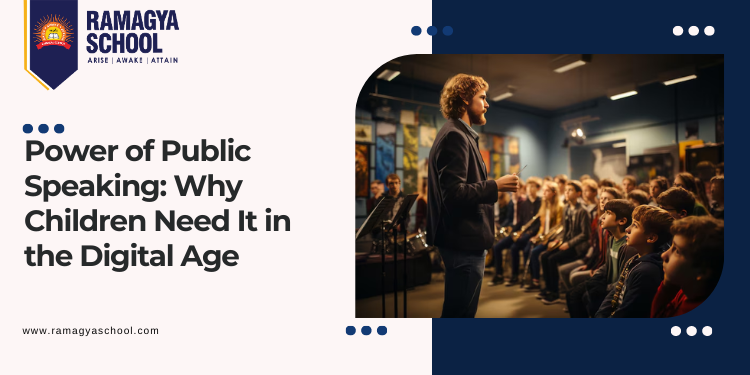
The Power of Public Speaking: Why Children Need It in the Digital Age
Speaking in front of a crowd in real time while delivering a message or thoughts is the art of public speaking. It calls for appealing the audience, catching their attention, and convincing them to act or think in addition to speaking effectively and confidently. Essentially, communicating with others and building connections through spoken words, body…
-
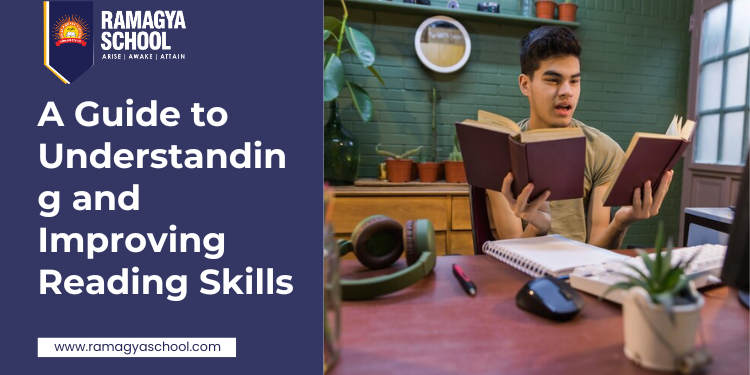
A Guide to Understanding and Improving Reading Skills
The foundation of both learning and communication is the fundamental ability of reading. It is the capacity to read written language, decipher its contents, and learn from a range of materials, such as books, articles, and digital content. A strong reading foundation is necessary for success in the classroom, the workplace, and personal development.Ultimately, reading…
-
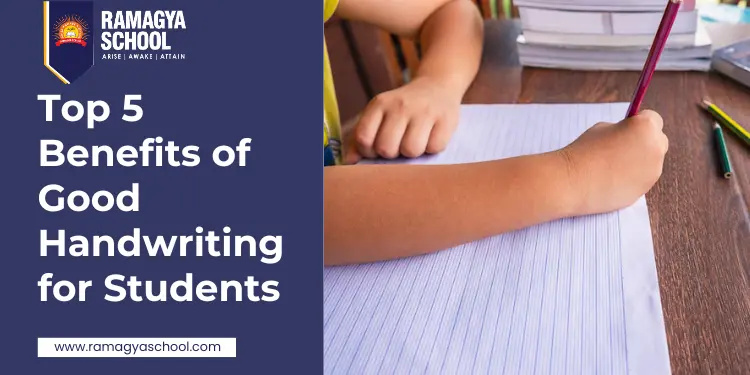
Top 5 Benefits of Good Handwriting for Students
As technology becomes more reliant, handwriting might appear less relevant, yet its value transcends mere utility. Penmanship is a gateway to cognitive development, personal expression and emotional well-being. These three benefits cannot be found elsewhere. With the widespread use of keyboards and touchscreens today, fostering these skills is even more critical. Researching the many benefits…
-
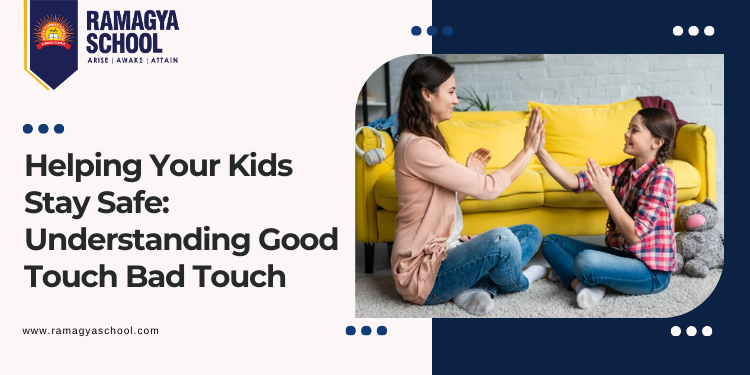
Helping Your Kids Stay Safe: Understanding Good Touch Bad Touch
One of our most important responsibilities as parents is to make sure our kids are safe and well. In light of the increasing incidences of abuse and exploitation in today’s world, teaching children at a young age the difference between appropriate and inappropriate contact is essential to helping them develop resilience against future threats and…
-
How To Build A Growth Mindset In Kids?
It’s more important than ever before to help kids develop a growth mindset in the quickly evolving world of today. Children who have a growth mentality are better able to overcome barriers with resilience, confidence, and determination as they negotiate academic, social, and personal issues. This will set them on the path to fulfillment and…
-
How to Overcome Math Phobia or Anxiety?
Mathematics, which is often regarded for its universality, has the potential to open many opportunities and discoveries. For many, it triggers feelings of anxiety and fear and can manifest as a math phobia anxiety that could restrict academic progress and hinder opportunities for career advancement. Fear isn’t without cause! It is often rooted in bad…
-
The Importance of Learning Spanish: Enhancing Your Child’s Future Opportunities
It is more crucial than ever to connect across cultural boundaries as the world gets wider successfully. As parents, we aim to give our children every resource they require to thrive in an increasingly interconnected world. One such technique is being fluent in a second language, with Spanish standing out among the many options as…
-
Nurturing Tomorrow’s Leaders: The Importance of Skill Development in Education
In the ever-evolving landscape of education, where knowledge is often deemed as the ultimate goal, the significance of skill development in education cannot be overstated. At Ramagya School, we firmly believe that education extends far beyond textbooks and classroom lectures. We recognize that the path toward self-improvement entails refining skills that empower students to confront…
-

Unlock Your Academic Potential: 5 Tips for School Productivity
In the chaos of academic obligations, being efficient at school can be the key to success. If you’re a high-school student working through a challenging course or a university student who is juggling classes and extracurricular activities, working to improve your efficiency is vital. But with distractions lurking around every corner and your time moving…
-
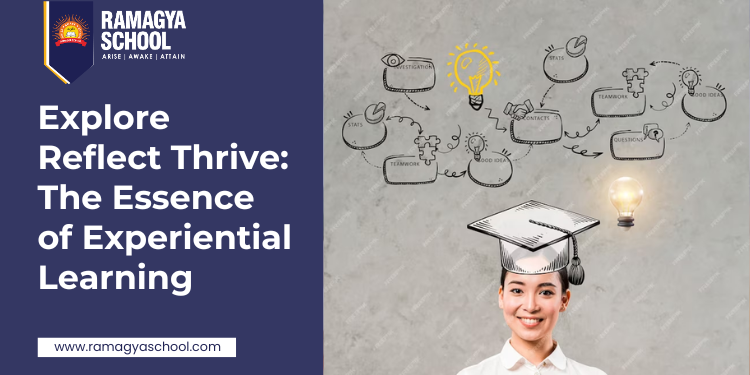
Explore. Reflect. Thrive: The Essence of Experiential Learning
Experiential learning is a unique method of studying that emphasizes hands-on experiences for acquiring knowledge and capabilities. Compared to traditional classroom-based education, which typically revolves around textbooks and lectures, experiential learning is a method of active participation, exploration and reflection. At its heart, it is about learning through experience. It is about engaging students in…